
If you’ve heard friends raving about their beach vacation along 30A or spotted the sticker on someone’s car, you might be wondering what exactly they’re talking about. Is it a beach? A town? A secret club for people who really love the Gulf Coast? We've got the answers.
We've also got the perfect place to stay if you're hoping to explore the greater 30A area.
This guide will walk you through everything you need to know about the 30A in Florida, from its exact location and fascinating history to the distinct beach towns that line its route. Whether you’re planning your first trip or just trying to understand what all the fuss is about, ~ find the answers here.
What Is 30A Florida?
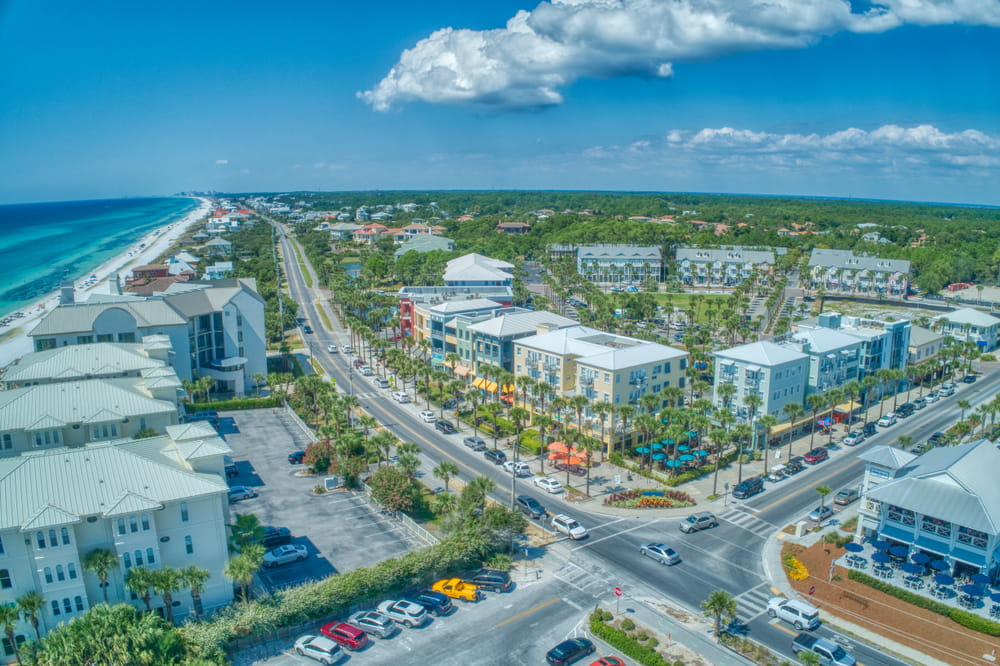
Photo Credit: Rotorhead 30A Productions
30A is a roughly 24-mile stretch of highway that winds along Florida’s Gulf Coast in South Walton County, tucked between the larger resort cities of Destin to the west and Panama City Beach to the east.
Specifically, the Scenic Highway 30A runs from Dune Allen Beach to Rosemary Beach. But here’s the thing: when people talk about "30A," they’re usually referring to much more than just a road. The name has become shorthand for the entire collection of small beach communities that dot this stretch of the Emerald Coast.
These beach towns share sugar-white sand, crystal-clear emerald water, and a commitment to low-rise development that sets them apart from Florida’s busier beach destinations.
Strict building height limits mean you won’t find towering condos blocking your view of the Gulf. Instead, you’ll discover a relaxed, family-friendly atmosphere where bicycles and golf carts outnumber honking cars, and front porches face tree-lined streets rather than parking lots.
What's the Difference Between Highway 30 and Highway 30A?
It's important to note that Highway 30 and Highway 30A are not the same road.
Highway 30 is a major route that runs more inland and serves as a primary thoroughfare through the Florida Panhandle. In contrast, Highway 30A is a scenic coastal byway that hugs the Gulf of Mexico shoreline, offering a slower, more picturesque drive through charming beach communities.
How Did 30A Get Its Name?
The "30A" designation has roots in Florida’s highway transportation system.
Originally, it referred to an alternate route branching off from Florida State Road 30, a 283-mile corridor that once crossed much of the Florida Panhandle from the Alabama line to the Big Bend region. The "A" simply indicated an alternate path that hugged the coastline rather than cutting through inland forests.
In 2008, the Federal Highway Administration and Florida Scenic Highways Program officially designated this route as Scenic Highway 30A. The recognition highlighted what residents had known for years: this wasn’t just a road, it was an experience.
The designation brought increased attention and helped cement "30A" as a destination brand that now represents not just the physical highway but the entire lifestyle, culture, and collection of beach towns along its route.
What Makes 30A in Florida Unique?
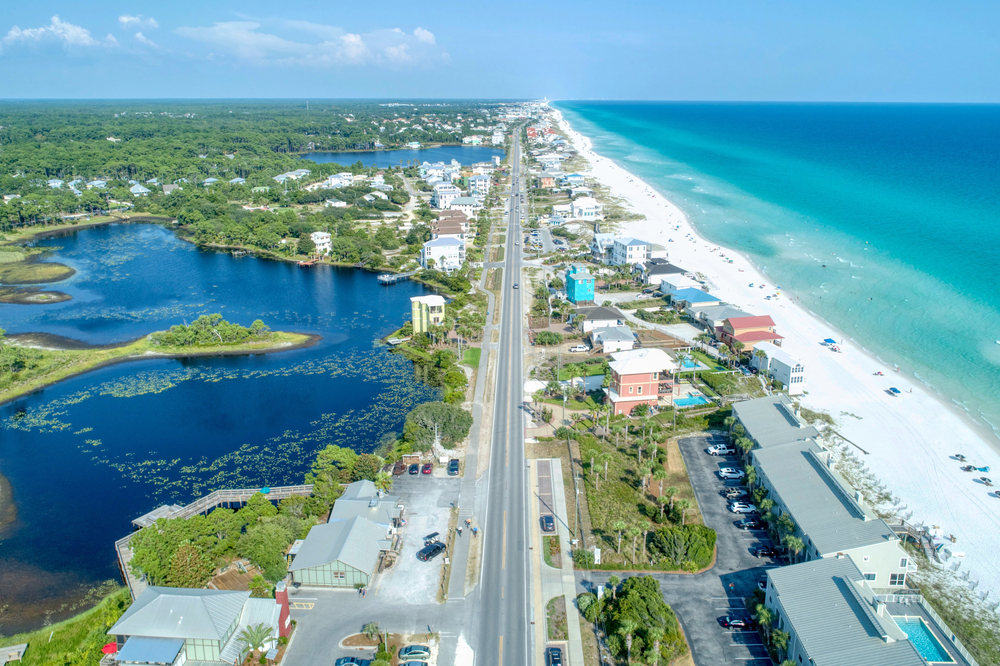
Photo Credit: Rotorhead 30A Productions
Visit most Florida beach destinations, and you’ll encounter a familiar scene: high-rise condos crowding the shoreline, chain restaurants lining commercial strips, and bumper-to-bumper traffic during peak season. 30A offers a deliberately different experience.
Development that protects the view
The carefully planned beach communities along 30A have chosen to preserve their small-town profiles rather than maximize density. Many, particularly Seaside and Rosemary Beach, follow new urbanist design principles.
Streets are built for walking, not just driving. Town squares encourage gathering. Mixed-use buildings put shops, restaurants, and homes in close proximity. Front porches face pedestrian-friendly lanes where neighbors actually wave to each other.
Rare coastal dune lakes
One of 30A’s most remarkable features is its collection of 15 coastal dune lakes which includes Western Lake, Eastern Lake, and Deer Lake.
These globally rare ecosystems form when wind-blown dunes trap freshwater, creating lakes that periodically break through to mix with the Gulf. You’ll find similar formations in only a handful of places worldwide, including New Zealand and South Africa.
For visitors, these lakes offer calm waters perfect for kayaking, paddleboarding, and fishing, plus stunning backdrops for waterfront dining and sunset watching.
A slower pace by design
The vibe along 30A is intentionally relaxed. Bicycles and golf carts are common modes of transportation. Families stroll to dinner rather than fighting for parking.
Year-round festivals and community events—from wine tastings to outdoor concerts—create a sense of place that feels more like a friendly neighborhood than a tourist trap.
Beach Towns and Communities Worth Visiting on the 30A
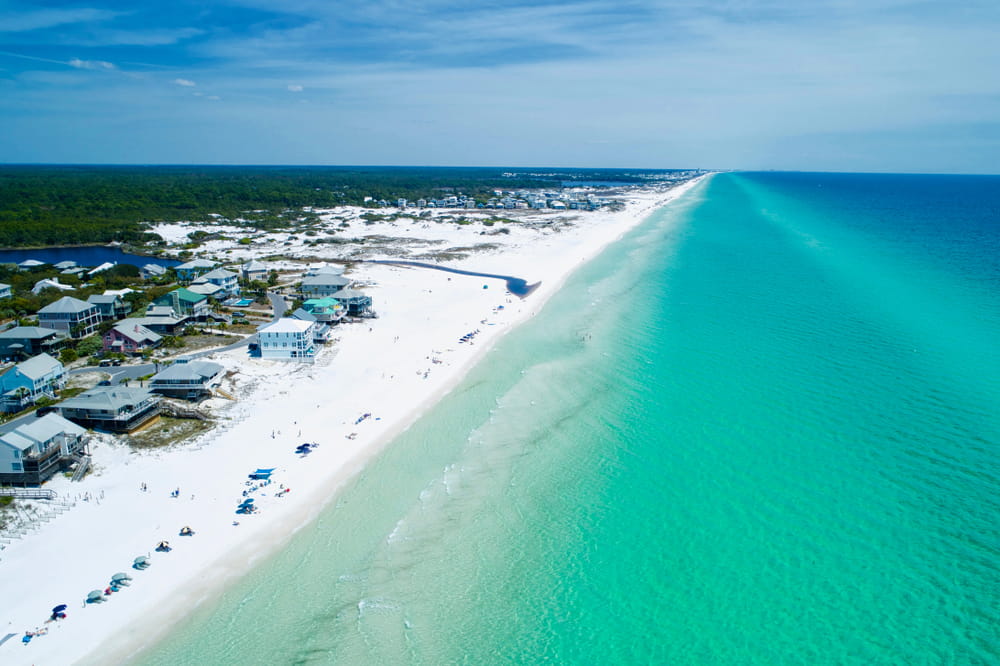
Photo Credit: Rotorhead 30A Productions
What makes 30A special is that it’s not one destination—it’s a string of distinct beach towns, each with its own architecture, atmosphere, and appeal. They’re all connected by the same scenic highway, making it easy to explore several communities during a single trip.
Here are some of the best beach communities to visit in 30A.
Santa Rosa Beach
Santa Rosa Beach sits at the western end of 30A, and it's one of the oldest and largest communities in the area. It offers boutique shopping, golf, live music, and a great choice of dining options, all set against the backdrop of pristine beaches and scenic dune lakes.
Blue Mountain Beach
Blue Mountain Beach lies just east of Santa Rosa Beach, and it offers a quiet, residential atmosphere. Named for the blue lupine flowers that once covered its unusually tall dunes—the highest along 30A—this area appeals to travelers seeking peace rather than bustling town centers. Check out its range of excellent eateries before you hit the beach.
Grayton Beach
Grayton Beach has a laid-back, historic vibe that locals call "old Florida." Home to Grayton Beach State Park and the shores of Western Lake, this community attracts visitors who want genuine character over polished perfection. Unpaved roads, weathered cottages, cool art galleries, and laid-back beach bars define the scene.
WaterColor
WaterColor is a master-planned community adjacent to Seaside, offering resort amenities like pools, tennis courts, and a beach club alongside forested trails and boardwalks. The community blends nature with convenience, making it popular with families who want structured activities and easy beach access.
Seaside
Seaside is perhaps the most recognizable town on 30A. Its iconic pastel cottages, white picket fences, and Airstream food trucks have made it famous—literally. The town served as the fictional setting for the 1998 film The Truman Show, and visitors still come to discover the picture-perfect streets where Jim Carrey’s character lived his televised life.
Alys Beach
Alys Beach offers the most striking architecture along the route. Whitewashed buildings with courtyards, palm-lined streets, and Bermudian-Mediterranean design elements create a sophisticated atmosphere. This is 30A’s luxury enclave, where attention to aesthetic detail extends from the beach pavilions to the private pools.
Seacrest
Seacrest is a family-oriented community that makes the most of its stunning natural beauty. Large green spaces, great amenities, and easy access to neighboring towns make it a practical home base for groups traveling with children.
Rosemary Beach
Rosemary Beach brings European elegance to the Gulf Coast. Cobblestone-style streets, brick-lined walkways, and Spanish-influenced architecture surround a bustling town center with restaurants, shops, and galleries. The beachfront area here is one of the most popular spots along 30A for evening strolls.
Inlet Beach
Inlet Beach marks the eastern edge of the 30A corridor. With more open coastline and extensive public beach access, it offers a less manicured experience than its neighbors to the west. Its proximity to the Highway 98 corridor and Panama City makes it a convenient entry point for visitors arriving from the east.
Things to Do in 30A, Florida
30A is ideal for travelers who want to fill their days with outdoor recreation, beach time, local dining, and relaxed exploration rather than theme parks or nightclubs. The pace here encourages lingering, but there’s no shortage of ways to stay active.
Beach Activities

Photo Credit: EpicStockMedia
The main attraction is obvious: miles of pristine beaches with powdery white sand and clear Gulf waters. Public beach access points dot the entire corridor, many with parking lots and facilities. Several are handicap accessible.
On calm days, you can rent paddleboards or kayaks to explore the nearshore waters, or simply claim a spot on the sand and watch dolphins cruise by. Sunset viewing is practically a local sport; pick any beach, bring a chair, and settle in.
If you're interested in surfing, there are plenty of places you can go for that as well.
State Parks and Nature
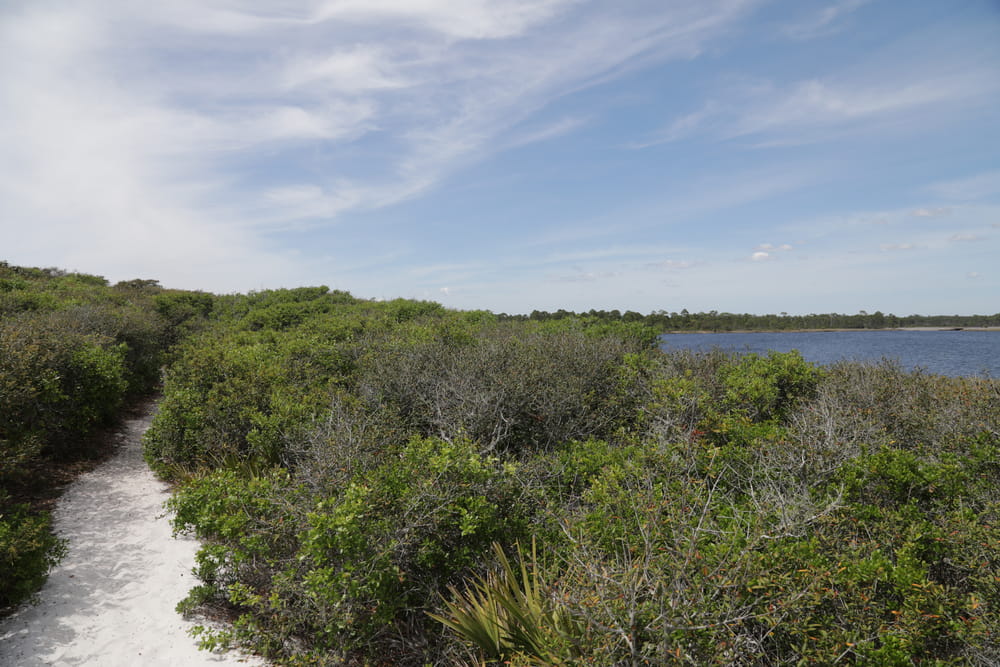
Photo Credit: Captainess_travels
Nature lovers will find plenty to explore beyond the beach. Grayton Beach State Park offers hiking trails, camping, and access to Western Lake’s dune lake ecosystem.
Topsail Hill Preserve State Park protects one of the most pristine stretches of shoreline on the Gulf, with opportunities for birdwatching and wildlife photography.
Deer Lake State Park provides boardwalk trails through coastal scrub to a quiet beach.
Biking the Timpoochee Trail
One of 30A’s best features for active travelers is the Timpoochee Trail, an 18-mile paved multi-use path running parallel to much of the highway. The trail is flat and family-friendly, suitable for casual riders and fitness enthusiasts alike.
Bike rentals are available throughout the area, making it easy to pedal between towns.
Water Recreation
Beyond the beach, 30A offers excellent options for paddling, fishing, and boating:
- Kayak or paddleboard on the coastal dune lakes for calm, scenic exploration
- Book an inshore fishing charter for redfish, speckled trout, or flounder
- Take a dolphin cruise
- Rent a pontoon boat for a day on the Choctawhatchee Bay's protected waters
Culture and Events
30A’s communities host a steady calendar of festivals, concerts, and cultural events throughout the year. Art galleries in Seaside and Rosemary Beach showcase local and regional artists. Live music fills beach bars and amphitheaters throughout the area on summer evenings.
Signature events include 30A Songwriter's Festival (January), Alys Beach’s Digital Graffiti Festival (May), and Seaside’s Seeing Red Wine Festival (November).
Dining and Shopping

Photo Credit: Amh Fx
The eateries along 30A lean heavily on Gulf seafood and traditional Southern cuisine, with locally owned restaurants far outnumbering chains.
Farmers’ markets pop up throughout the week, offering fresh produce and artisan goods.
Boutique shopping in town centers like Seaside, Rosemary Beach, and Alys Beach ranges from beachwear and home goods to high-end jewelry and art.
How to Get to 30A
Reaching 30A is straightforward, whether you’re driving from a Southeast city or flying into a regional airport. Once you arrive, the area’s compact size makes navigation simple.
Getting There by Car

Photo Credit: maxbelchenko
Most visitors reach 30A by car, which is convenient since you’ll likely want a vehicle (or at least a bike) for exploring once you arrive. Here are approximate driving times to 30A from major cities:
- Atlanta, GA: 5-6 hours
- Nashville, TN: 7 hours
- New Orleans, LA: 5 hours
- Birmingham, AL: 4-5 hours
- Tampa, FL: 5-6 hours
- Jacksonville, FL: 5-6 hours
Most routes connect to US Highway 98, which runs through both Destin and Panama City before offering multiple signed turnoffs to County Road 30A.
Getting There by Air
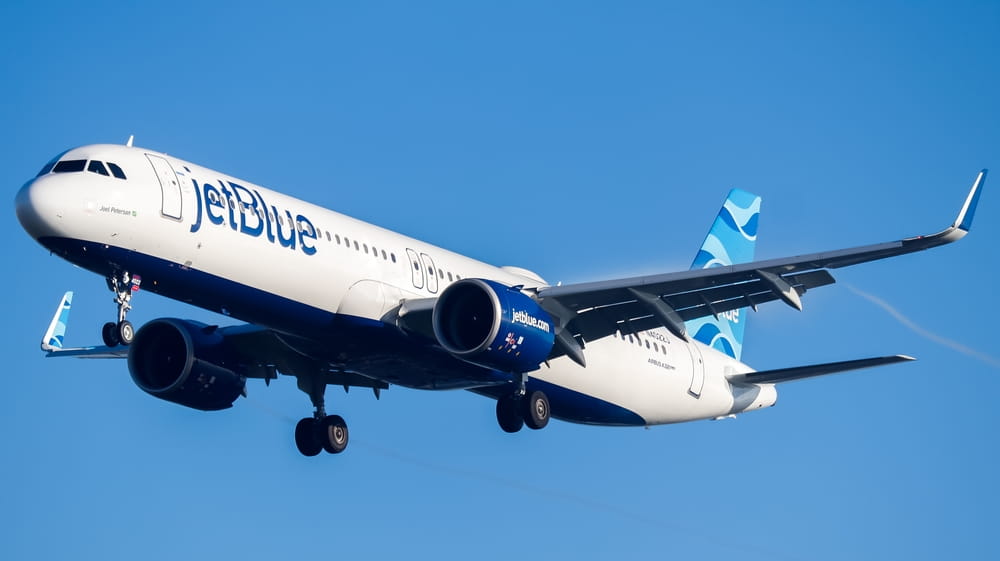
Photo Credit: Bradley Caslin
Two airports serve the 30A area well:
- Northwest Florida Beaches International Airport (ECP) near Panama City Beach sits about 25-35 minutes by car from Inlet Beach and Rosemary Beach
- Destin-Fort Walton Beach Airport (VPS) is approximately 30-45 minutes from the western end of 30A near Grayton Beach
Both airports offer car rentals, and some visitors arrange shuttle services or rideshares for the final leg to their accommodations.
Best Time to Visit 30A
30A enjoys a subtropical climate with options for every preference:
- Spring (March-May): Mild temperatures, smaller crowds before summer rush, ideal for outdoor activities
- Summer (June-August): Peak beach season with the warmest water temperatures, busiest time for families
- Fall (September-November): Crowds thin, temperatures remain pleasant, festival season picks up
- Winter (December-February): Quietest months, cooler temperatures, lower rental rates, ideal for snowbirds
Keep in mind that hurricane season runs from June through November. While direct hits are relatively rare, it’s wise to check forecasts and consider travel insurance for summer and fall trips. Fortunately, there are plenty of things to do when it rains.
Come Explore the Scenic Highway 30A!
30A, Florida, offers a unique blend of pristine beaches, charming beach towns, and a laid-back lifestyle that invites you to unwind and connect with nature. Whether you're seeking adventure, relaxation, or family-friendly activities, 30A promises an unforgettable coastal road trip escape.
Our stunning vacation rentals in the heart of it all will feel like a true home away from home. Check out our range of properties now and start planning your vacation in 30A.